Skin · 28 July 2026
Hyperpigmentation: why the same cream works for one person and not another
Dark patches have several different causes, and they sit at different depths. That is the whole reason treatments that work for other people do nothing for you.
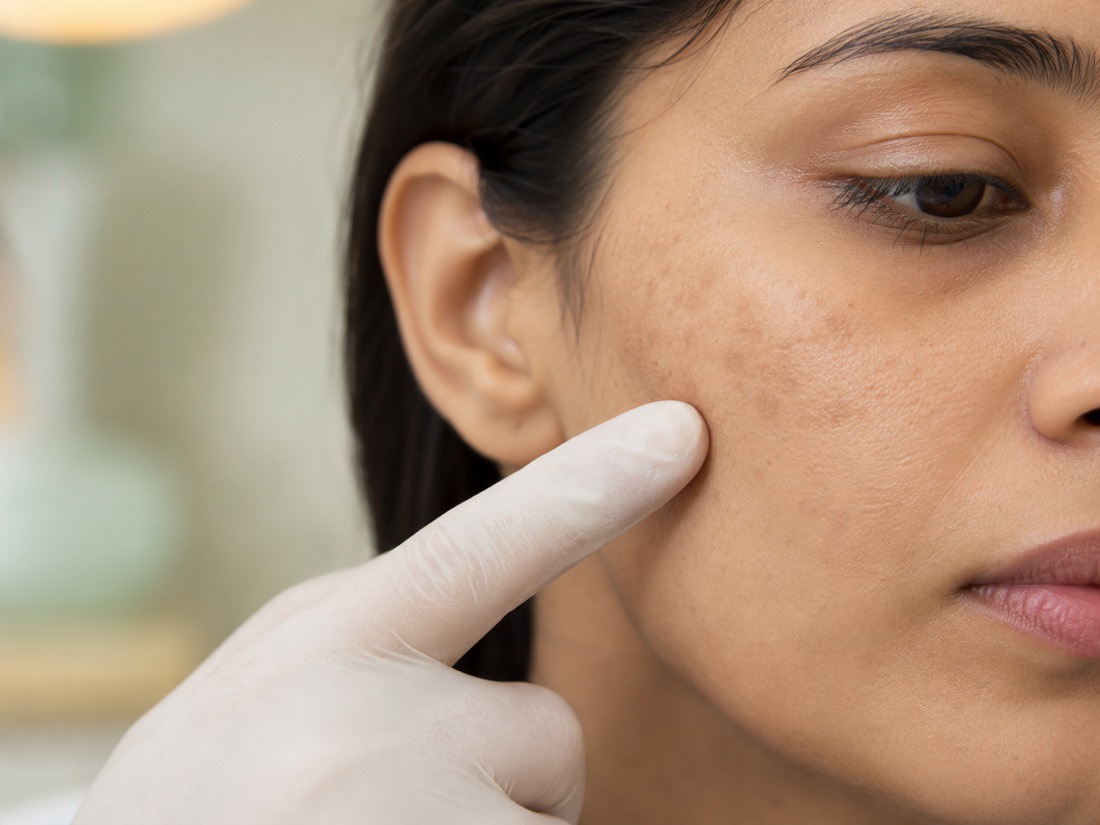
Hyperpigmentation is a description, not a diagnosis. It means darker patches than the surrounding skin — and that can happen for several unrelated reasons.
The three common causes
- Post-inflammatory: marks left behind by acne, injury or irritation.
- Melasma: hormonal, often symmetrical across the cheeks and upper lip, and prone to returning.
- Sun damage: accumulated over years, usually on the face, hands and chest.
Why depth matters more than cause
Pigment sitting in the upper layer responds to topical treatment and gentle resurfacing. Pigment sitting deeper does not — and aggressive treatment of deep pigment can make it worse, particularly in Indian skin, which is more prone to reacting to injury with more pigment.
This is why a friend can clear their marks with an over-the-counter cream while the same cream does nothing for you. You may not have the same problem.
What a consultation should establish
- Which of the causes you actually have, and whether more than one is present.
- How deep the pigment sits.
- Whether anything is still driving it — sun, hormones, ongoing acne.
Treating the pigment while the cause is still active is how people end up paying twice. Melasma in particular tends to return if the trigger is not addressed alongside it.
On skin lightening
The aim of treatment is even tone, not lighter skin. Any clinic offering to change your complexion is selling you something else.